Discover why ERPNext for startups is the leading open source ERP solution in 2026 for automation, scalability, and cost efficient growth.

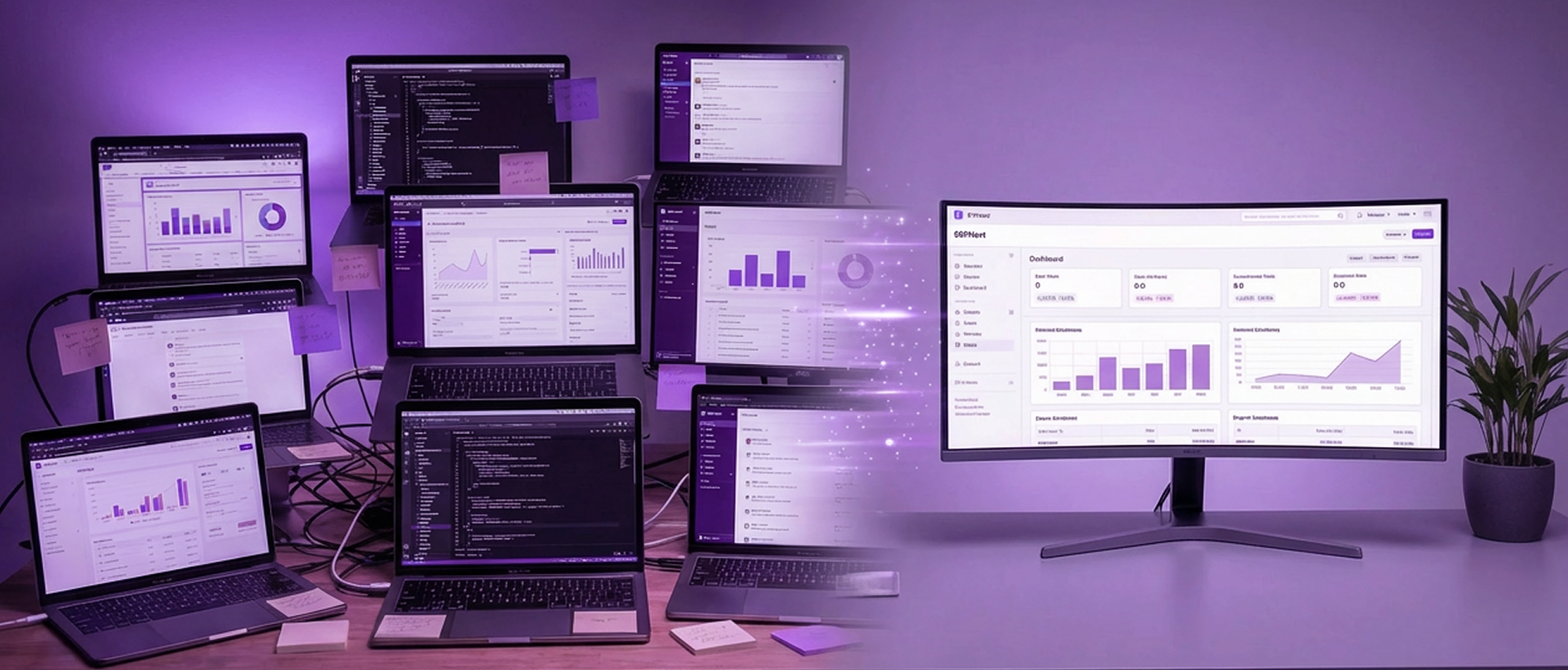
Startups today are not struggling with a lack of tools. They are struggling with disconnected systems, slow decision making, and operational inefficiencies.
ERPNext for startups is emerging as a practical solution that replaces fragmented tools with a unified platform for finance, operations, sales, and inventory.
In 2026, the competitive advantage is no longer about having more tools. It is about having one system that connects everything and enables faster decisions.
ERPNext is an open source ERP system built on the Frappe framework that allows businesses to manage core operations in a single platform.
In simple terms, ERPNext helps startups run finance, inventory, CRM, HR, and projects from one system with real time data.
According to Oracle, ERP systems provide a unified data layer that enables organizations to scale efficiently and reduce operational complexity.
ERPNext aligns with how modern startups operate in 2026. Lean teams, fast execution, and automation-first workflows.
Key reasons include:
Insight: Startups that adopt unified ERP systems early avoid data fragmentation, which is one of the biggest barriers to scaling efficiently.

ERPNext creates immediate operational clarity when implemented with clear KPIs.
Startups typically experience:
Observed pattern: Early stage teams often reduce operational friction significantly within the first few months by eliminating duplicate tools and manual tracking systems.
.png)
A growing startup managing inventory and finance across multiple tools consolidated operations using ERPNext. Within one quarter, reporting became faster, inventory discrepancies reduced, and cross team coordination improved.
A structured implementation approach is critical for success.
Typical rollout process:
This approach ensures that ERP adoption delivers measurable outcomes rather than becoming a long term project.
ERPNext becomes significantly more powerful when combined with automation workflows.
Common use cases include:
Research from McKinsey & Company highlights that automation driven organizations consistently outperform others in efficiency and cost control.

.png)
ERPNext offers a more adaptable and cost effective approach for startups compared to traditional ERP systems.
ERPNext may not be suitable in certain scenarios:
Choosing the right ERP depends on operational readiness as much as technology.
Startups typically begin with a focused implementation designed to deliver value quickly.
This includes:
As the business grows, additional capabilities such as multi warehouse management, advanced reporting, and integrations can be introduced.
The focus remains on delivering measurable results while maintaining scalability.
ERPNext is used to manage business operations such as finance, inventory, HR, CRM, and projects in a single system.
Yes, ERPNext is designed for scalability and cost efficiency, making it ideal for startups and growing businesses.
Most implementations can be completed within 6 to 10 weeks depending on business complexity.
ERPNext offers more flexibility, lower cost, and faster deployment compared to traditional ERP solutions.
ERPNext is not just another software tool. It is a system that enables startups to replace complexity with clarity and disconnected workflows with unified operations.
In 2026, businesses that operate on connected systems will consistently outperform those relying on fragmented tools.
If you are evaluating ERPNext for your startup, the first step is not choosing software. It is understanding where your current systems are slowing you down.
Consider:
Taking a structured approach to these questions helps you move toward a more efficient and scalable operating model.
.svg)
we partner with ambitious teams to solve real problems, ship better products, and drive lasting results.
Read more Case Studies & Insights