

ERPNext v16 brings major improvements to manufacturing planning, multi-company finance, inventory batch control, and payroll processing. But is upgrading from v15 actually worth the time and risk? Here’s what changed and who truly benefits.

ERPNext v16 was officially released onDecember 6, 2025, during Frappeverse Egypt by FrappeTechnologies. After the beta launch on November 15, many organizationscurrently running ERPNext v15 or earlier started evaluating whether upgradingis worth the effort.
ERP upgrades always come with concerns:downtime, testing requirements, staff retraining, and the uncertainty ofwhether the new features will actually solve real operational problems.
Over the past year, businesses acrossmanufacturing, service, and distribution sectors have been exploring theERPNext v16 upgrade. Some saw immediate operational improvements, while othersrealized their current version already met their needs.
The difference usually comes down to onething: whether the new features addressyour business challenges.
This guide explains:
· What actually changed in ERPNext v16
· Which businesses benefit most
· Whether upgrading now makes sense for yourorganization
.jpeg)
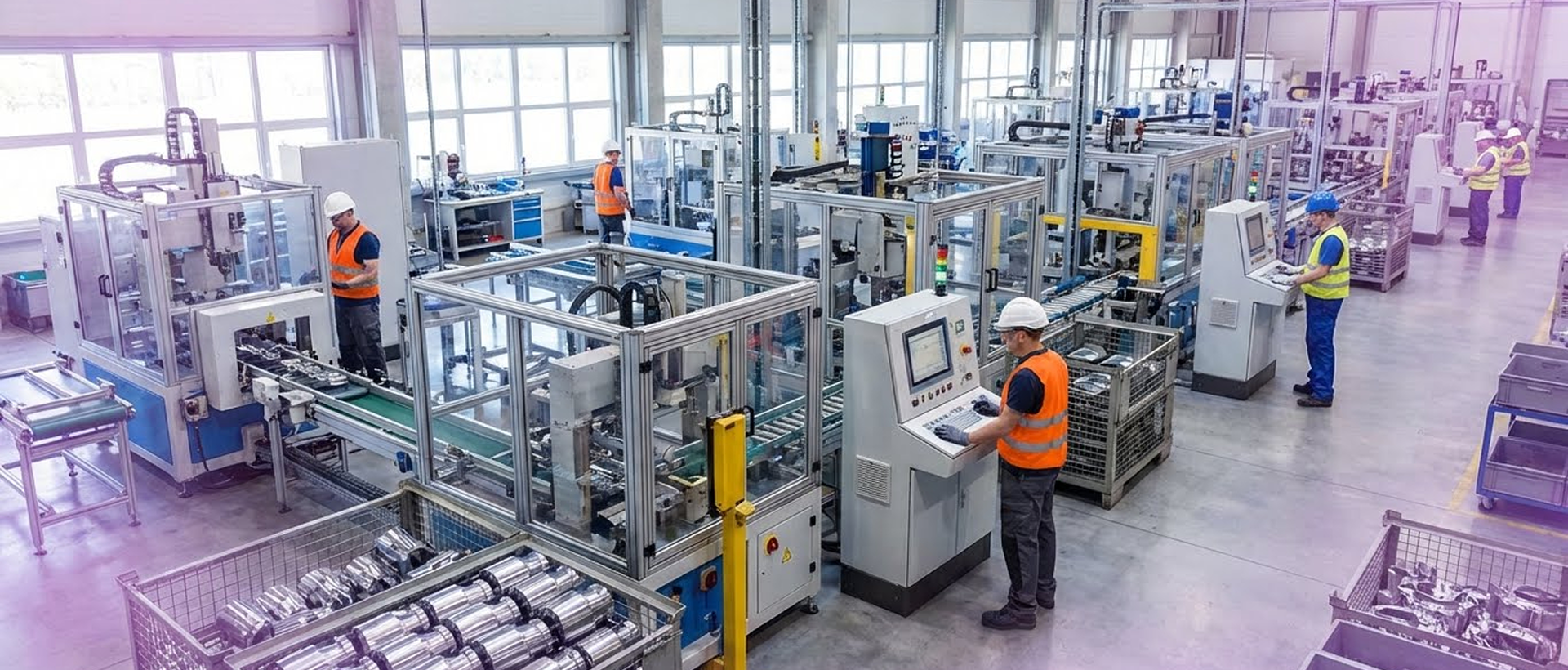
Manufacturing planning in ERPNextv15 struggled with complex production environments.
When manufacturers worked with multi-levelBills of Materials (BOMs), the Material Requirements Planning (MRP) enginesometimes generated inaccurate planning results. Many production teams had tomanually adjust material requirements after running MRP reports.
ERPNext v16 introduces a redesignedMRP workflow that handles multi-level BOMs more effectively.
The new planning system:
For many mid-sized manufacturers,MRP calculations that previously took 10 minutes can now run in under 2minutes.
Real-worldimpact
A manufacturing company working with8-level BOM structures reduced their planning time from 45 minutes to less than3 minutes after upgrading.
Their production planners no longerneeded to maintain separate Excel sheets to track missing materials.
Companies that rely heavily onproduction planning may benefit from reviewing their ERPNext manufacturing configuration and implementation strategy when planning the upgrade.
.jpeg)
Subcontracting workflows have also improved inERPNext v16.
In earlier versions, tracking raw materialssent to external vendors required workarounds. Businesses often managedvendor-side inventory through manual tracking or custom scripts.
ERPNext v16 introduces inward subcontracting tracking, allowingbusinesses to monitor:
· materials sent to subcontractors
· stock currently held by vendors
· finished goods returned from vendors
Stock reservations also prevent materialsallocated to subcontracted jobs from being used elsewhere.
Job Cards have become more flexible as well.Production teams can now mark operations as partially completed, which is useful for jobs that spanmultiple shifts or days.
Quality checks can also be triggered atdifferent production stages instead of only after final completion.
If your manufacturing setup involves complex assemblies or subcontracting workflows,these improvements can significantly reduce manual coordination.
One of the strongest improvements in ERPNext v16 appears in financial management for companies operating multiple legal entities.
Finance teams often consolidate financial data from several companies using spreadsheets. The typical process includes:
ERPNext v16 introduces the Consolidated Trial Balance feature, which allows finance teams to generate group-level financial statements directly inside the system.
This feature supports:
A service organization operating four legal entities reduced their monthly consolidation process from 12 hours to around 90 minutes after adopting ERPNext v16.
Finance teams spend less time reconciling spreadsheets and more time analyzing financial performance.
Businesses considering multi-entity ERP environments may also evaluate ERPNext accounting setup and financial reporting customization as part of their upgrade planning.
.jpeg)
Inventory management improvements in ERPNext v16 are especially valuable for businesses handling batch-controlled products.
Industries like pharmaceuticals, electronics distribution, and food manufacturing often require precise tracking of batch numbers and expiry dates.
Previous versions allowed batch tracking but lacked batch-level reservation capability.
This created a common problem: sales teams promised a specific batch to a customer, but warehouse staff later discovered that the batch had already been allocated to another order.
ERPNext v16 resolves this with batch-level stock reservations.
Once a sales order is confirmed, the system can reserve specific batch numbers so that warehouse teams know exactly which inventory is allocated.
Additional improvements include:
These features reduce fulfillment errors and improve traceability for regulated industries.
Organizations struggling with complex inventory environments may benefit from reviewing their ERPNext inventory management configuration when evaluating the upgrade.
.jpeg)
Payroll processing has traditionally been an area where many HR teams rely on manual verification.
Even when payroll calculations are automated, teams often export reports to spreadsheets to double-check salary components.
ERPNext v16 improves payroll processing through integration with the HR module built on the Frappe Framework ecosystem.
Key improvements include:
These changes reduce the need for spreadsheet verification and help HR teams process payroll more confidently.
Businesses planning HR automation may explore ERPNext HRMS implementation and payroll automation alongside their ERP upgrade strategy.
.jpeg)
ERPNext v16 introduces meaningful improvements, but upgrading immediately is not necessary for every organization.
Most mid-sized ERPNext upgrades typically require 2 to 4 weeks, including system backups, testing, user training, and issue resolution.
ERPNext v16 is the latest major release of the open-source ERP platform, launched December 6, 2025, at Frappeverse Egypt. It focuses on manufacturing MRP improvements, multi-company financial reporting, inventory batch tracking, and payroll processing enhancements.
Upgrade during your slow business season if you have multi-company reporting needs, complex manufacturing BOMs, or batch tracking issues. Wait if you're on v15 with minimal problems and have extensive customizations that need testing.
Probably not. ERPNext v16 runs on a similar infrastructure to v15. You'll need Python 3.11 and the latest version of the Frappe framework, but most hosting providers automatically update them.
Some will need updates, especially if they touch manufacturing or accounting modules. Testing in a staging environment isn't optional. It's required.
Technically, yes, but it's riskier. You're jumping three major versions, which means more breaking changes to review. Expect extra testing time.
This is why you need a rollback plan. Keep your v15 database backup and server snapshot. If v16 has critical issues, you can roll back while you fix them.
ERPNext v16 focuses on solving specific operational problems rather than introducing flashy new features.
Its biggest strengths include:
For organizations experiencing these challenges, upgrading to ERPNext v16 can significantly reduce manual work and operational friction.
If your current ERPNext installation already meets your needs, however, there is no urgency to upgrade immediately.
The best upgrade decision always depends on whether the new features solve real business problems.
Innogenio supports organizations implementing and upgrading ERPNext across manufacturing, distribution, and service industries.
Our team helps businesses with:
If you're evaluating whether ERPNext v16 is the right move for your business, a structured upgrade assessment can help you make the decision with confidence.
.svg)
we partner with ambitious teams to solve real problems, ship better products, and drive lasting results.
Read more Case Studies & Insights

.png)