


We recently met with the operations head of a 65-person plastic moulding company in Pune.
"We're still on Excel," he admitted. "We know we should upgrade, but SAP quoted us ₹40 lakhs for Year 1. Where are we supposed to find that?"
This conversation happens twice a week. Small manufacturers know Excel is killing their efficiency. They've priced out enterprise ERP. The sticker shock is real. So they stick with Excel the devil they know.
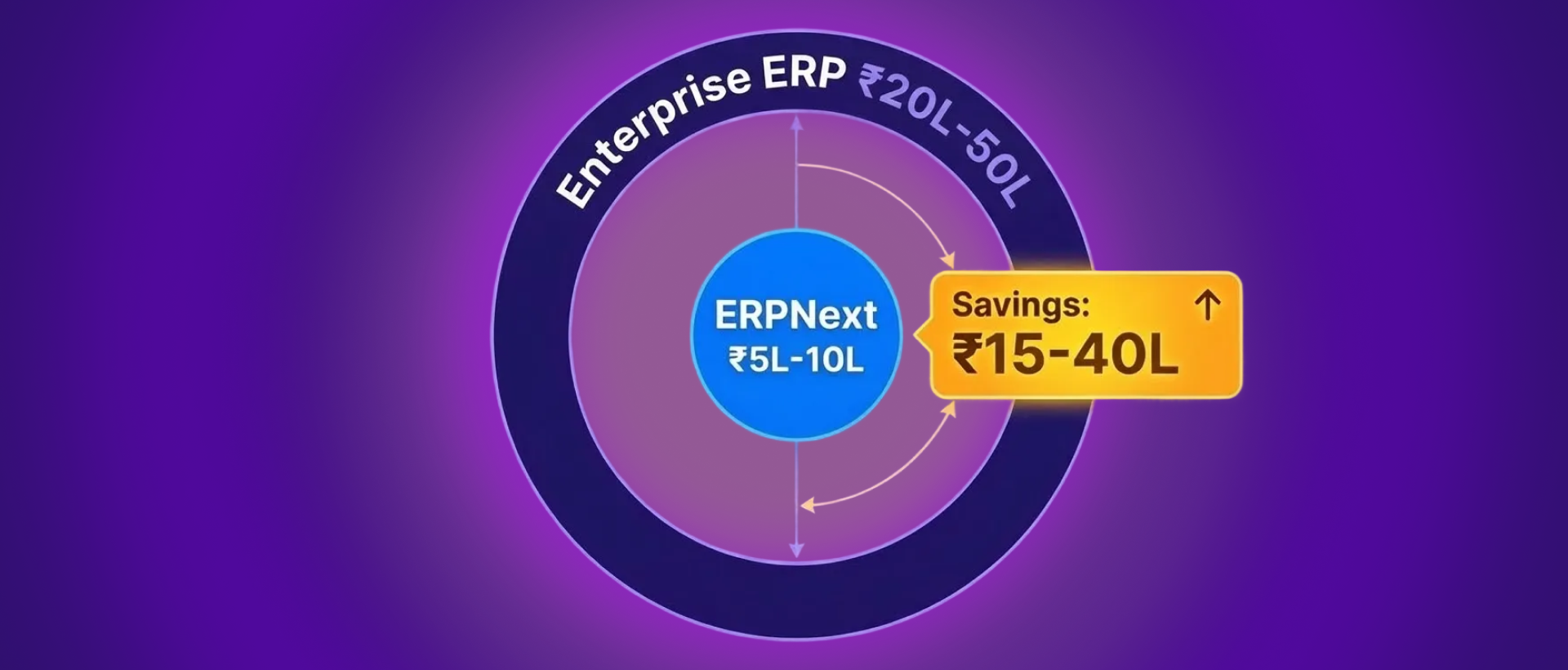
But here's what most don't realise: there's ERPNext, a full-featured ERP that costs 90% less than enterprise alternatives.
While ERPNext works across industries (retail, healthcare, services, e-commerce), its manufacturing capabilities are robust. That's why we specialise in implementing it for production-based businesses.
Let's break down what it costs and why it might be perfect for your operation.
You already know Excel has problems. You're living them every day.
The inventory sheet says 200 units. The warehouse has 147. Nobody knows where the other 53 went.
Production stops Tuesday morning because you're out of raw material. Purchasing says it's on order. Stores say nobody told them. The requisition is lost in someone's email.
When leadership asks, "What's our production status?" it takes 45 minutes to compile an answer. By then, it's outdated.
Most manufacturers don't realise the real cost because it's hidden in operations:
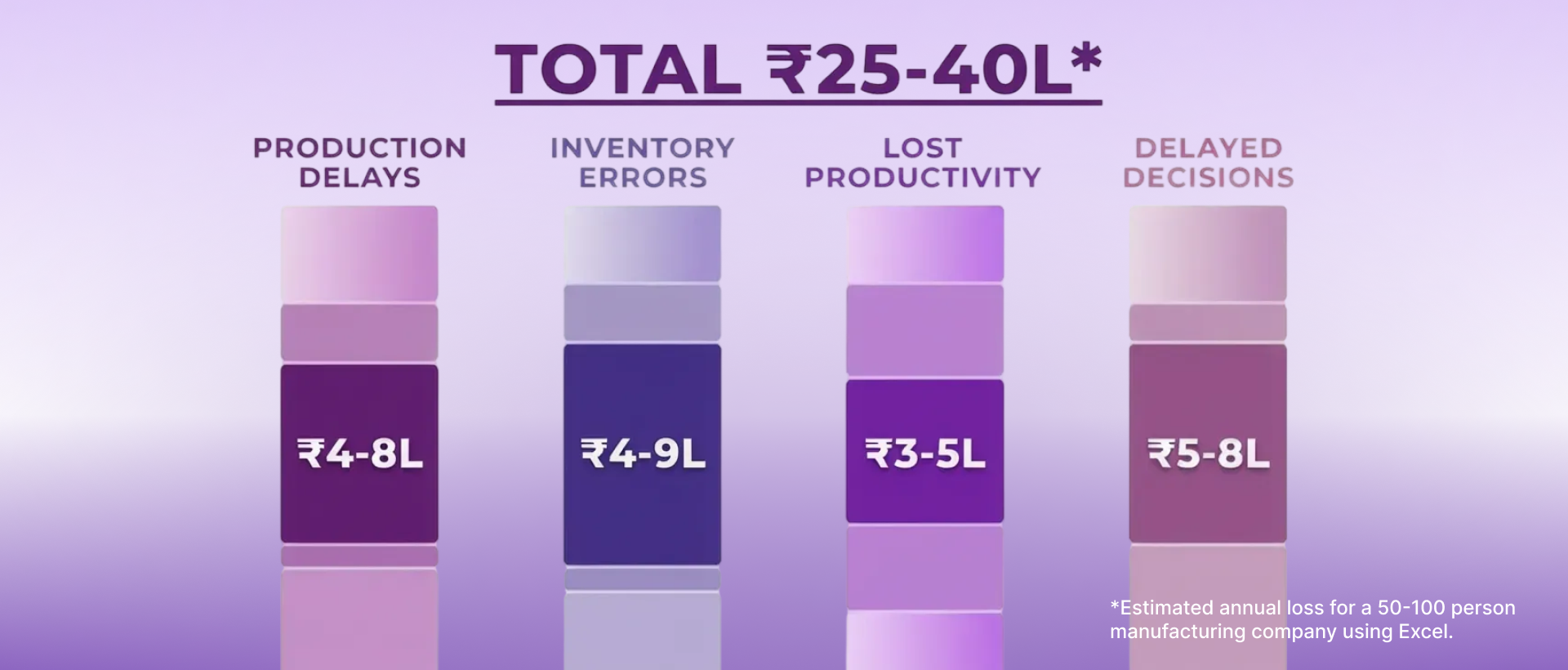
ERP would solve these problems. Real-time data. Automated workflows. Single source of truth.
The problem? Cost.
Enterprise ERP pricing typically looks like this:
So manufacturers are stuck. Excel is bleeding money, but "proper" ERP costs more upfront.
This is where ERPNext changes everything.
ERPNext is a complete business management system where the software costs ₹0. Forever.
It's 100% open-source, used by 10,000+ companies globally across all industries—from India's largest stock broker (Zerodha) to B2B e-commerce platforms to solar engineering firms to manufacturing companies.
For manufacturing, it includes:
Plus, the complete ERP suite for everything else your business needs.
The quality is enterprise-grade. Maintained by Frappe Technologies with backing from serious investors and a massive open-source community. The license cost is zero.
But let's be clear: the software is free, implementation isn't.
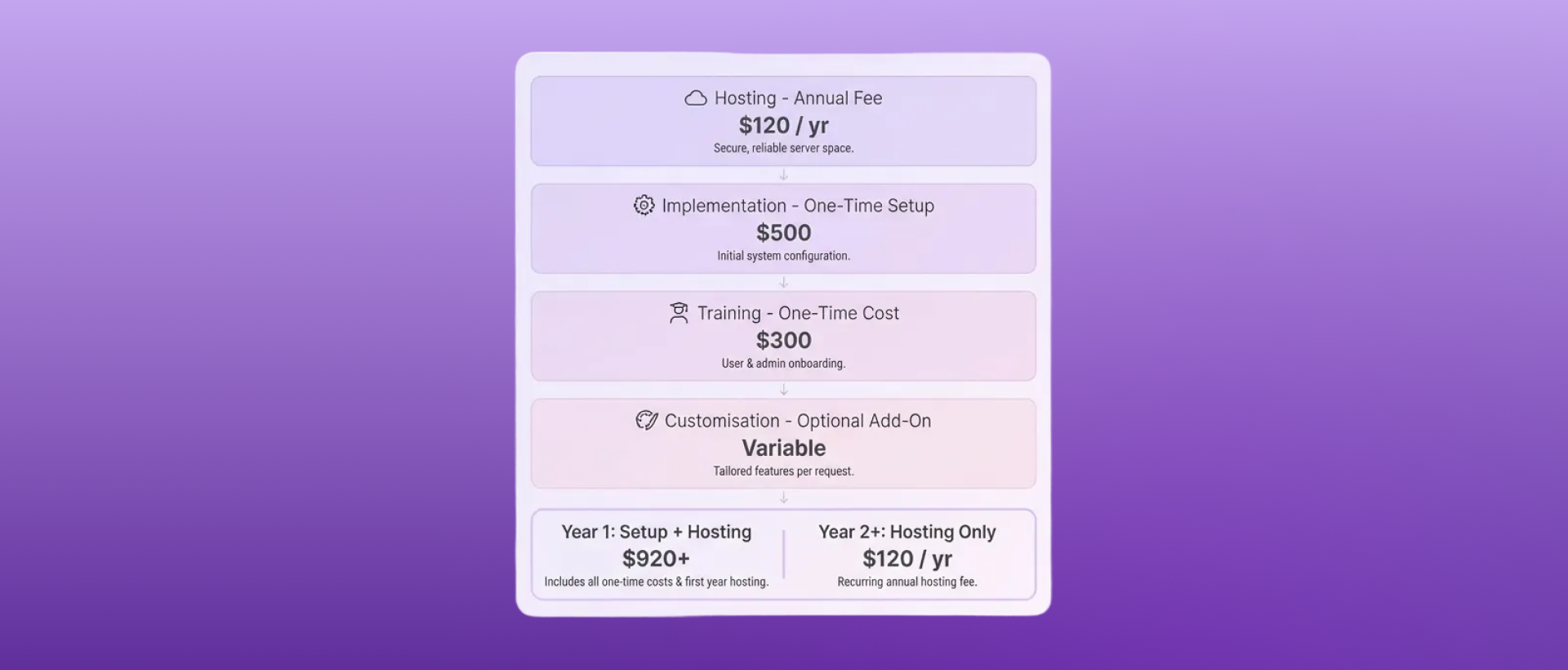
Here's what you actually pay for a 50-person manufacturing company:
Hosting: ₹40,000-₹100000 per year
Someone has to run the server. Options include Frappe's official cloud hosting,self-hosted on your own servers, or third-party providers.
Implementation: ₹4-6 lakhs one-time
Consultants understand your processes, configure the system, migrate your data,and train your team. This is skilled labour, similar to hiring someone to set upyour entire IT infrastructure.
Training: ₹1-1.5 lakhs one-time
Getting your team comfortable with the new system. Proper training is criticalfor successful adoption.
Customisation: ₹0.5-2 lakhs optional
Most manufacturers need some custom reports or industry-specific workflows.
Year 1 Total: ₹8-15 lakhs
Years 2 onwards: ₹1-2 lakhs/year (just hosting and support)
No license renewal fees. No per-user charges. No mandatoryupgrade costs.
Why such a massive gap? Enterprise ERP charges ₹40-60 lakhs annually just for software licenses. Year after year.
ERPNext charges ₹0 for software. You pay only for hosting and one-time implementation services.
Same core functionality for manufacturing. Same training requirements. Same operational benefits. No license fees.

Based on our experience implementing ERPNext for 50+ manufacturing companies:
For the typical small-to-medium manufacturer, you're often paying for features you'll never use.

A recent client—a 60-person plastic moulding company—came to us with these challenges:
The difference wasn't complex technology—it was visibility. Real-time stock levels. Automated alerts before materials ran low. Instant shop floor updates via tablets instead of paper forms.
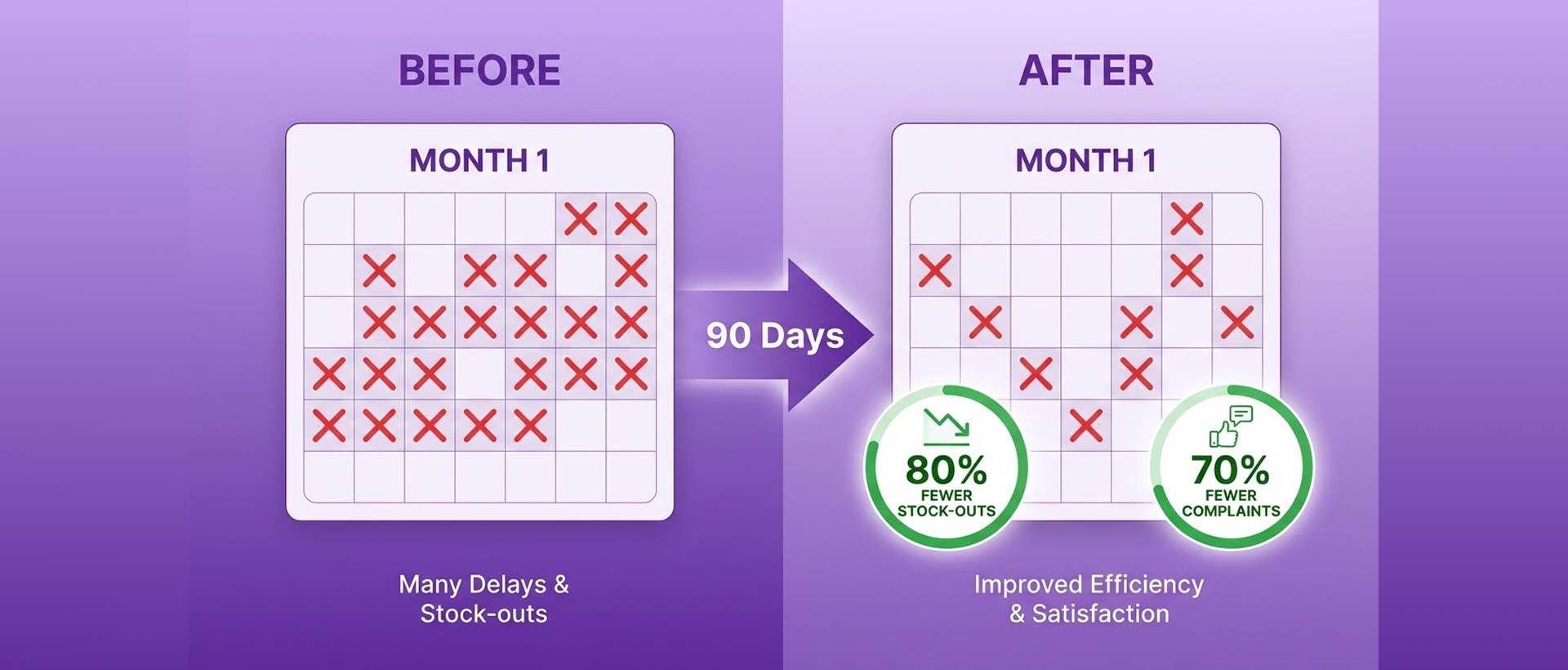


In our experience, manufacturers losing more than ₹15 lakhs annually to Excel-related inefficiencies see positive ROI within the first year.
The question isn't "Can we afford ERP implementation?"
It's "Can we afford to continue losing money to operational inefficiency?"

The operations head we mentioned earlier did the math. His Excel-based chaos was costing ₹35-40 lakhs annually. ERPNext implementation: ₹14 lakhs Year 1.
"Why didn't anyone tell us about this option before?" he asked.
Most consultants focus on enterprise ERP—higher implementation fees and better commissions. Open-source solutions don't carry the same financial incentives for consultants.
That company implemented ERPNext six months ago. Production delays are down 45%. They're tracking to save ₹30+ lakhs this year.

If you're considering moving beyond Excel, we've created a free assessment tool to help evaluate your readiness for ERP implementation.
Prefer to discuss your specific situation? Schedule a 30-minute consultation with our team. We'll provide an honest assessment of whether ERPNext makes sense for your manufacturing operation.
No obligation. No pressure. Just straightforward advice based on your situation.
.svg)
we partner with ambitious teams to solve real problems, ship better products, and drive lasting results.
Read more Case Studies & Insights

.png)