How cloud ERP for manufacturing improves efficiency, real time decision making, and scalability for FMCG and production businesses.

In today’s competitive manufacturing and FMCG landscape, businesses cannot afford delays, inefficiencies, or disconnected systems. Cloud ERP for manufacturing has evolved into a strategic growth driver that enables real time visibility, faster decision making, and scalable operations.
Companies that adopt cloud ERP are not just digitizing processes. They are building data driven, resilient, and future ready organizations.
.png)
Cloud ERP is a centralized system that integrates core business processes such as production, inventory, supply chain, and finance into one unified platform. In simple terms, cloud ERP allows businesses to manage operations in real time from a single system, improving efficiency and visibility.
Unlike traditional systems, cloud ERP provides accessibility from anywhere, ensuring seamless collaboration across teams.
According to Oracle, ERP systems create a single source of truth that helps organizations scale efficiently and reduce operational complexity.
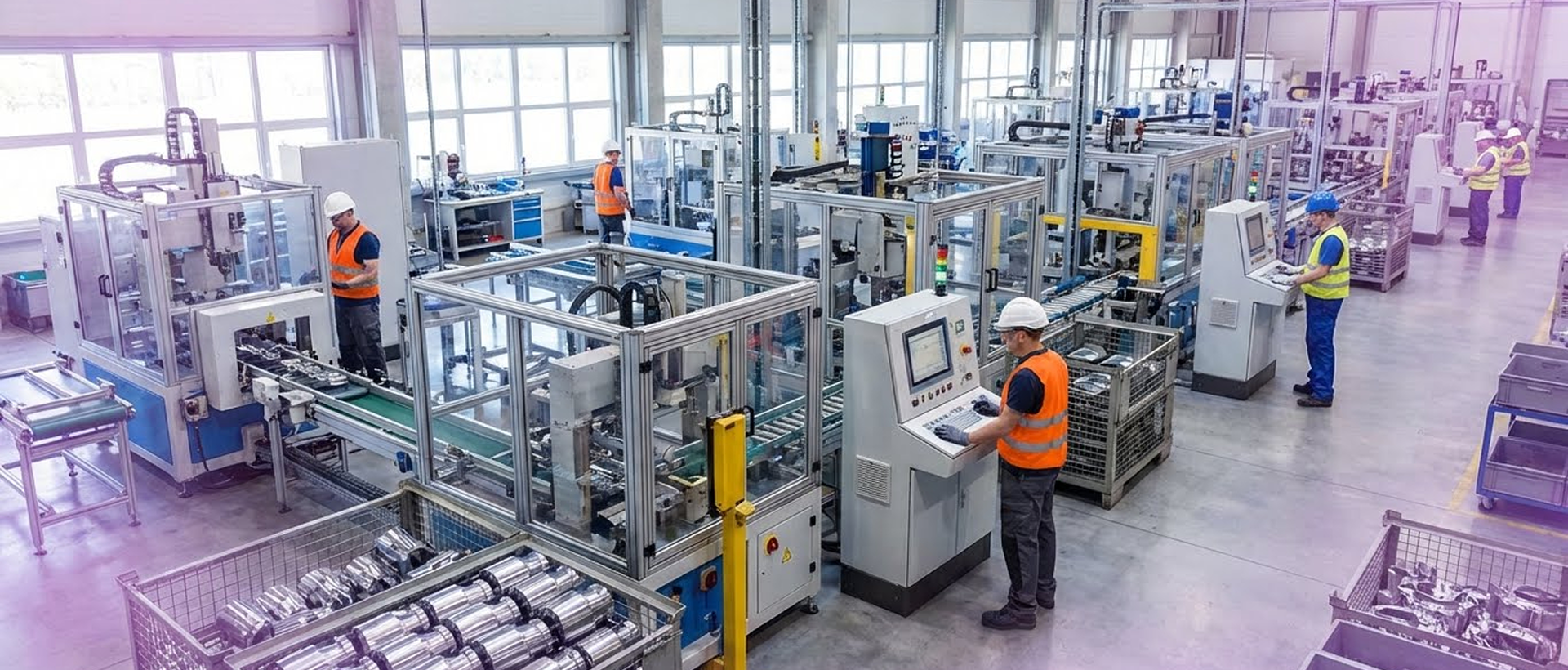
Cloud ERP improves manufacturing operations by connecting processes, automating workflows, and enabling real time monitoring of production activities.
Manufacturers often struggle with production delays, inventory mismatches, and inefficient resource allocation.
Cloud ERP addresses these challenges by:
Businesses that implement cloud ERP often reduce operational inefficiencies due to better process visibility and automation.
Cloud ERP for FMCG companies improves speed, accuracy, and inventory management in high volume environments.
Key benefits include:
A mid sized FMCG company implemented cloud ERP to manage inventory across multiple warehouses. Within six months, the company reduced stockouts by 30 percent and significantly improved order fulfillment speed.
This demonstrates how cloud ERP directly impacts revenue and customer satisfaction.
.png)
Real time data in cloud ERP enables faster, more accurate, and proactive business decisions.
Traditional systems rely on delayed reports, which slow down responses. Cloud ERP provides live insights that allow teams to act immediately.
Key advantages include:
Research from McKinsey & Company shows that organizations using real time data achieve higher operational efficiency and improved profitability.
.png)
A powerful ERP system is only effective if users can understand and act on the data.
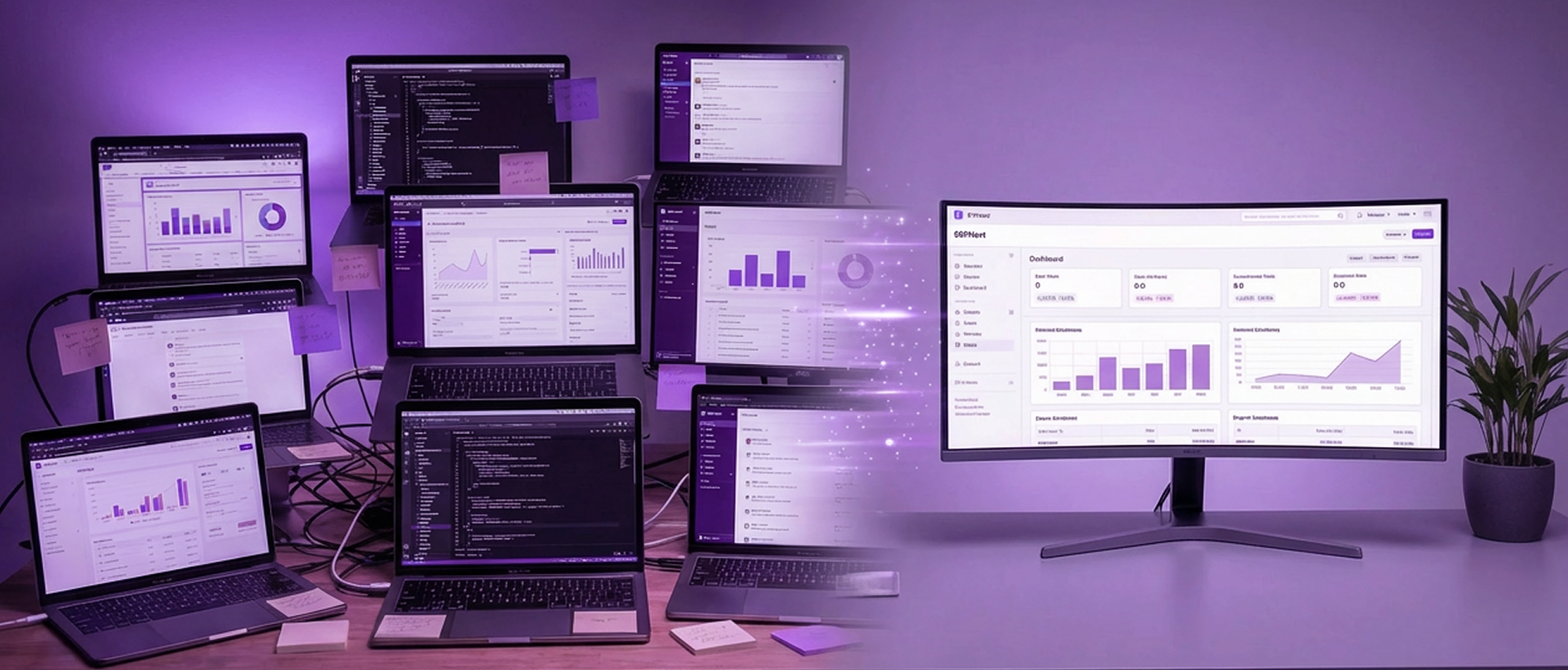
Dashboard UX in ERP systems simplifies complex information into clear and actionable insights.
Benefits of strong dashboard design include:
When systems are intuitive, employees are more likely to use them effectively, leading to better outcomes.
.png)
Cloud ERP implementation affects employees, investors, and business partners. Trust plays a critical role during this transition.
Cloud ERP strengthens trust by ensuring transparency, reliability, and consistency in operations.
Key trust factors include:
Technology leaders such as IBM highlight the importance of secure cloud systems in maintaining long term business trust.
.png)
Cloud ERP provides flexibility, scalability, and cost efficiency, making it the preferred choice for modern businesses.
Avoiding these mistakes ensures a smoother transition and better return on investment.
Cloud ERP is a system that integrates manufacturing operations and provides real time data access through cloud technology.
It improves visibility, forecasting, and coordination across suppliers and distribution networks.
Yes, cloud ERP is scalable and cost effective, making it suitable for growing businesses.
The biggest benefit is the ability to make faster and more accurate decisions using real time data.
Cloud ERP is not just a software upgrade. It is a strategic transformation that enables manufacturing and FMCG businesses to operate with speed, accuracy, and confidence.
From real time insights to improved efficiency and scalability, cloud ERP helps organizations stay competitive in rapidly changing markets.
Adopting cloud ERP is not just about implementing new technology. It is about building a system that supports long term growth, operational clarity, and smarter decision making.
For manufacturing and FMCG businesses, the real advantage comes from choosing the right approach, aligning it with business goals, and ensuring teams can fully utilize the system.
Organizations that take a structured and strategic approach often see measurable improvements in efficiency, cost control, and customer satisfaction.
If you are evaluating the role of cloud ERP in your business, it is useful to reflect on:
Understanding these factors can help you move toward a more connected, efficient, and future ready business model.
.svg)
we partner with ambitious teams to solve real problems, ship better products, and drive lasting results.
Read more Case Studies & Insights